

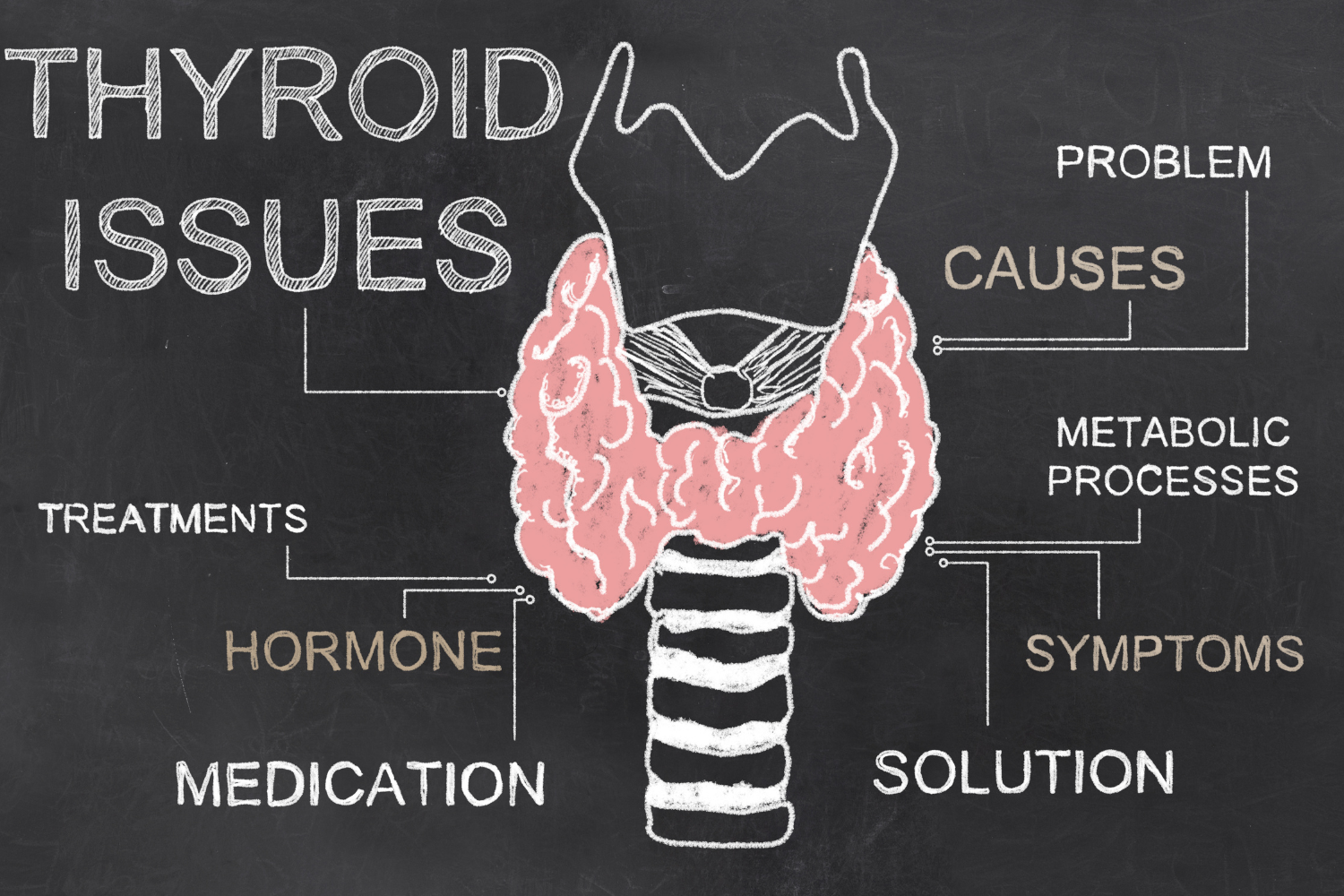
The thyroid gland produces hormones that regulate metabolism, energy levels, and overall body functions. Disorders such as hypothyroidism (low thyroid hormone) and hyperthyroidism (high thyroid hormone) can significantly affect body weight and metabolism. Understanding how to manage thyroid health is key to maintaining healthy weight and metabolic balance. Fitwiser provides structured guidance to manage lifestyle factors alongside thyroid disorders.
Understanding Thyroid Disorders
Thyroid disorders primarily include:
- Hypothyroidism: Low production of thyroid hormones slows metabolism, often leading to weight gain, fatigue, dry skin, hair thinning, and cold intolerance.
- Hyperthyroidism: Excess thyroid hormone increases metabolism, leading to weight loss, increased appetite, rapid heartbeat, nervousness, and heat intolerance.
Causes and Risk Factors
- Autoimmune disorders (e.g., Hashimoto’s thyroiditis for hypothyroidism, Graves’ disease for hyperthyroidism)
- Genetic predisposition
- Iodine deficiency or excess
- Age and gender (more common in women and older adults)
- Medications and chronic illnesses
Impact on Weight
Thyroid hormones regulate basal metabolic rate (BMR). Disruption can lead to:
- Hypothyroidism: Slower metabolism and weight gain even with normal calorie intake
- Hyperthyroidism: Rapid metabolism, weight loss, and muscle wasting despite higher food intake
Managing weight in thyroid disorders requires tailored nutrition, exercise, and lifestyle approaches, not just calorie adjustments.
Dietary Strategies
Diet plays a critical role in supporting thyroid health and managing weight:
- Focus on nutrient-dense foods: vegetables, fruits, lean proteins, whole grains
- Ensure adequate iodine for thyroid hormone production (iodized salt, seafood, dairy in moderation)
- Include selenium-rich foods (Brazil nuts, sunflower seeds, fish) for hormone metabolism
- Limit goitrogenic foods in large amounts for hypothyroidism (raw cabbage, broccoli, cauliflower) while cooked forms are usually fine
- Balanced protein intake supports muscle mass in hyperthyroidism
- Avoid excessive sugar, processed foods, and highly refined carbohydrates
Exercise Recommendations
Physical activity helps support metabolism, energy balance, and body composition:
- Moderate aerobic activity: brisk walking, cycling, or swimming for 150 minutes per week
- Strength training 2–3 times per week to preserve or build muscle mass, especially in hyperthyroidism
- Flexibility and relaxation exercises (yoga, stretching) to reduce stress and support hormone balance
Sleep and Stress Management
- 7–9 hours of quality sleep supports hormone regulation and weight management
- Stress increases cortisol, which can exacerbate thyroid imbalance; mindfulness or meditation can help
- Avoid irregular sleep schedules, especially in hyperthyroidism where insomnia is common
Foods That Support Thyroid Health
| Food | Benefit | Serving |
|---|---|---|
| Salmon | Rich in omega-3, reduces inflammation, supports hormone function | 100g cooked |
| Brazil nuts | High in selenium, crucial for thyroid hormone conversion | 2–3 nuts/day |
| Spinach | Rich in magnesium, supports metabolism | 1 cup cooked |
| Oats | Low GI carb, provides sustained energy | 1/2 cup dry |
| Eggs | Protein and iodine support hormone production | 1–2 eggs/day |
| Berries | Antioxidants reduce oxidative stress on thyroid | 1/2 cup |
Sample Daily Plan
- Breakfast: Oats with berries, chopped Brazil nuts, and a boiled egg
- Mid-morning: Greek yogurt with chia seeds
- Lunch: Grilled salmon with quinoa and steamed spinach
- Snack: Carrot sticks with hummus
- Dinner: Stir-fried chicken or tofu with mixed vegetables and olive oil
- Evening: Herbal tea and light stretching
Monitoring and Tracking
- Regular thyroid function tests to track hormone levels
- Monitor weight, body composition, and waist circumference
- Maintain a food and activity log to identify patterns affecting metabolism
Conclusion
Thyroid disorders significantly affect metabolism and body weight. Tailored strategies, including balanced nutrition, regular physical activity, stress management, and sufficient sleep, are essential for managing weight and supporting thyroid function. Fitwiser emphasizes structured lifestyle changes for sustainable improvements in metabolic and hormonal health.