

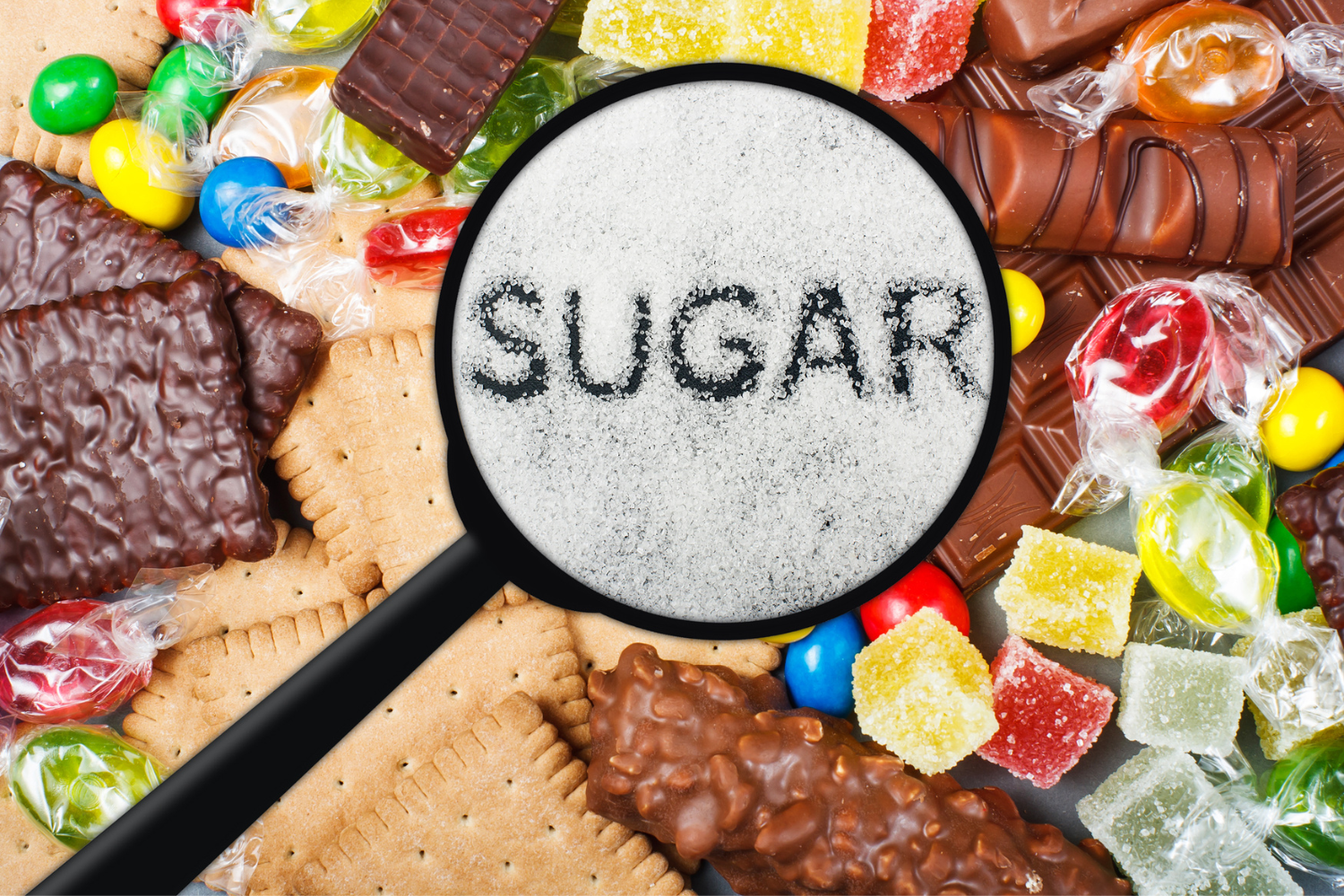
Sugar cravings are one of the most common challenges people face when trying to eat healthier or manage their weight. They often appear suddenly, driven by emotions, stress, fatigue, or even hormonal fluctuations. The more we give in to these cravings, the more our brain associates sugar with instant pleasure—creating a cycle that’s difficult to break.
At Fitwiser, we believe that overcoming sugar cravings doesn’t have to mean complete restriction. Instead, it’s about understanding the biology behind cravings and applying practical, natural strategies that balance the body and mind for sustainable control.
Understanding Why Sugar Cravings Happen
Before addressing how to reduce cravings, it’s essential to know why they occur. Sugar cravings are not just about “lack of willpower.” They are a result of interconnected biological and psychological mechanisms.
1. Blood Sugar Fluctuations
When you eat foods high in refined carbohydrates or sugar, your blood glucose spikes. Soon after, it drops rapidly, causing a craving for another quick energy source — usually more sugar. This rollercoaster cycle can continue throughout the day.
2. Dopamine and the Reward System
Sugar stimulates the release of dopamine, the brain’s “feel-good” neurotransmitter. Over time, your brain becomes conditioned to crave that same reward, leading to habitual sugar-seeking behavior similar to mild addiction patterns.
3. Stress and Cortisol
High stress increases cortisol levels, which can trigger appetite and cravings for sugary comfort foods. Emotional eating often arises as a coping mechanism to reduce stress temporarily.
4. Poor Sleep and Hormonal Imbalance
Lack of quality sleep affects hunger hormones like ghrelin and leptin, increasing appetite and sugar cravings. Sleep deprivation also decreases self-control, making it harder to resist tempting foods.
5. Nutrient Deficiencies
Deficiencies in certain nutrients such as magnesium, chromium, and zinc may intensify cravings for sweet foods since these minerals help regulate glucose metabolism and insulin sensitivity.
“Sugar cravings aren’t just about taste — they are messages from your body about energy balance, stress, and nourishment.”
Natural and Sustainable Strategies to Reduce Sugar Cravings
Let’s explore evidence-based, natural methods to reduce sugar cravings effectively without relying on strict diets or artificial substitutes.
1. Eat Balanced Meals with Protein, Fiber, and Healthy Fats
Protein and fats slow digestion, promoting satiety and reducing the sharp rise and fall of blood sugar levels that trigger cravings. Including fiber from vegetables, legumes, and whole grains also helps maintain steady glucose levels throughout the day.
- Protein sources: Eggs, paneer, tofu, lentils, chicken, fish.
- Healthy fats: Nuts, seeds, olive oil, avocado.
- Fiber-rich foods: Vegetables, oats, brown rice, millets.
2. Stay Hydrated Throughout the Day
Dehydration is often mistaken for hunger or sugar craving. Drinking enough water helps regulate appetite and flush out excess toxins. Herbal teas or infused water (like lemon and mint) can add natural flavor without sugar.
3. Get Enough Sleep
Quality sleep helps balance hunger hormones and supports brain function. Aim for 7–8 hours of uninterrupted sleep. A consistent sleep schedule also reduces late-night snacking urges, one of the biggest contributors to unnecessary sugar intake.
4. Manage Stress Proactively
Chronic stress elevates cortisol, which increases cravings for quick energy sources like sugar. Natural stress management techniques include:
- Daily walks or light workouts.
- Deep breathing or guided meditation.
- Listening to calming music or spending time in nature.
- Maintaining meaningful social connections.
5. Include Magnesium-Rich Foods
Magnesium plays a crucial role in blood sugar control. Low levels are linked to increased sugar cravings and fatigue. Include magnesium-rich foods like pumpkin seeds, spinach, almonds, dark chocolate (in moderation), and whole grains.
6. Avoid Artificial Sweeteners
Though marketed as healthy alternatives, artificial sweeteners can confuse your brain by triggering the expectation of sugar without delivering calories, often leading to stronger cravings later. Natural options like stevia or monk fruit can be used occasionally, but balance is key.
7. Focus on Mindful Eating
Mindful eating involves paying attention to hunger cues and savoring each bite. When you eat mindfully, you enjoy food more and are less likely to overconsume sugary items impulsively. Take slow bites, eat without distractions, and notice when you feel satisfied.
8. Don’t Skip Meals
Skipping meals can lead to extreme hunger, which often results in poor food choices and sugar binges. Eat regularly spaced, balanced meals to keep energy stable and prevent cravings from spiking.
9. Eat Naturally Sweet Foods
When sugar cravings hit, opt for naturally sweet foods like fruits, dates (in moderation), or sweet potatoes. They provide fiber, vitamins, and minerals while satisfying your sweet tooth more nutritiously than processed desserts.
10. Stabilize Gut Health
An imbalanced gut microbiome can influence food cravings and metabolism. Fermented foods like curd, kefir, sauerkraut, and kimchi support healthy gut bacteria, which help regulate appetite and digestion.
11. Reduce Processed Food Intake
Processed foods are designed to be hyper-palatable — combining sugar, fat, and salt in a way that overstimulates the brain’s reward center. Gradually reducing processed snacks helps reset taste preferences to appreciate natural flavors again.
12. Keep Healthy Alternatives Ready
Preparation is essential. Keep nuts, fruits, roasted chickpeas, or dark chocolate handy. When you’re hungry or stressed, having better options nearby reduces the temptation to grab sugary snacks.
13. Check for Hidden Sugars
Many packaged foods contain added sugar under different names—such as sucrose, dextrose, maltose, or corn syrup. Reading labels helps identify hidden sources of sugar in sauces, cereals, protein bars, and beverages.
14. Increase Physical Activity
Exercise improves insulin sensitivity and mood-regulating chemicals like serotonin and dopamine. Even short bouts of physical movement, like a brisk walk or stretching break, can reduce sugar cravings and boost energy naturally.
15. Reframe Your Mindset About Sugar
Instead of labeling sugar as “forbidden,” focus on moderation and awareness. A restrictive mindset can backfire, leading to guilt-driven overeating. Building a flexible, balanced relationship with food creates long-term sustainability.
How Fitwiser Encourages Smart Tracking
Using the Fitwiser app, individuals can easily track their daily food intake, hydration, and energy balance. Seeing your sugar consumption in numbers often increases awareness and motivates healthier choices. The app’s meal log and calorie tracking features help users visualize sugar sources, making it easier to substitute them with balanced options.
“Awareness is the first step toward change — tracking helps turn knowledge into habits.”
The Science Behind Gradual Sugar Reduction
Completely cutting out sugar overnight can shock your system and make cravings worse. Gradual reduction allows your taste buds and metabolism to adapt. Here’s how the process works:
- Week 1–2: Replace sugary beverages with water or herbal tea.
- Week 3–4: Reduce added sugar in tea, coffee, and snacks by half.
- Week 5–6: Limit desserts to once or twice weekly and choose natural sweets like fruit.
- Beyond Week 6: Your taste receptors adjust, and naturally sweet foods begin to taste better.
How Long It Takes to Break Sugar Cravings
It varies by individual, but studies suggest that consistent effort for 3–4 weeks significantly reduces dependency on added sugar. During this time, hydration, adequate protein intake, and stress management play key roles in maintaining progress.
Common Mistakes to Avoid
- Relying on artificial sweeteners as long-term replacements.
- Skipping meals to “save calories.”
- Not getting enough sleep or physical movement.
- Trying to eliminate sugar completely without gradual adaptation.
- Ignoring emotional triggers that drive cravings.
Conclusion
Reducing sugar cravings naturally is about more than willpower—it’s about balance, awareness, and consistency. By understanding what drives your cravings and applying small, sustainable changes, you can retrain your taste buds, stabilize energy, and improve overall well-being.
At Fitwiser, we believe in empowering people with knowledge. The goal isn’t perfection—it’s progress. By developing healthier habits and using smart tracking tools, you can build a lifestyle where sugar no longer controls your choices.