

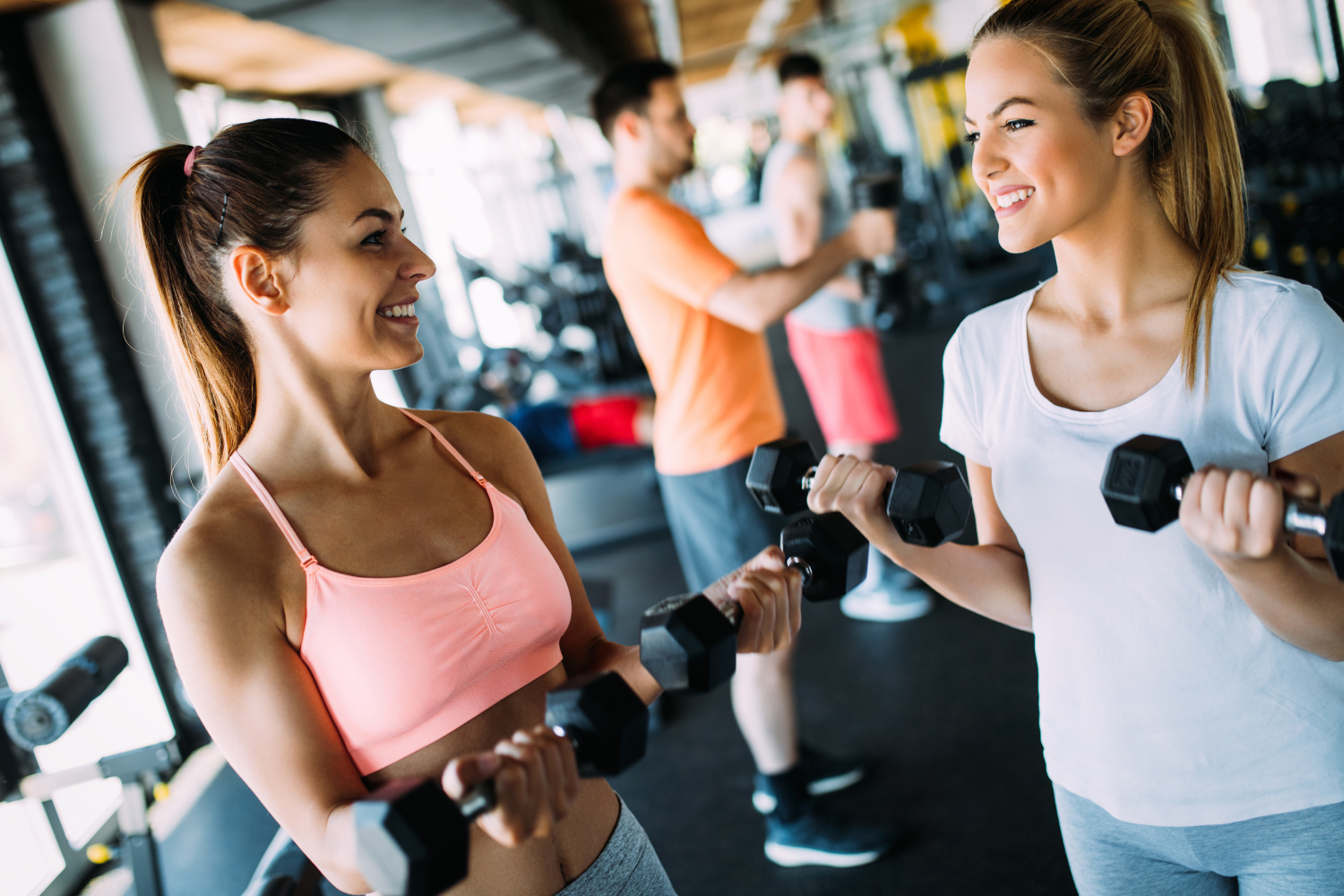
Fitness is not just about weight loss; it is about building strength, improving metabolism, and enhancing overall health. For women, the gym can be a powerful tool to achieve these goals. Fitwiser focuses on empowering women with the knowledge and lifestyle strategies to use gym workouts effectively while maintaining a balanced approach to nutrition, recovery, and sustainable fat loss.
Why Women Should Embrace Strength Training
Many women hesitate to lift weights due to myths about “bulking up.” The reality is that resistance training has numerous benefits for women:
- Increases lean muscle mass, which boosts metabolism and calorie burning even at rest
- Improves bone density, reducing the risk of osteoporosis
- Enhances posture, balance, and functional strength for daily activities
- Supports hormone regulation, particularly for cortisol, estrogen, and insulin sensitivity
Common Misconceptions About Women and Weights
Understanding the myths helps women approach the gym with confidence:
- “Lifting heavy weights makes women bulky” – Women have lower testosterone levels; building large muscles requires very specific training and diet
- “Cardio is enough for fat loss” – Cardio is beneficial, but resistance training preserves lean mass and prevents metabolic slowdown
- “I need supplements to see results” – A balanced diet and consistent training are sufficient for most women
Designing an Effective Gym Routine for Women
A balanced gym routine should include resistance training, cardio, and flexibility work:
Resistance Training
Target all major muscle groups 2–3 times per week using progressive overload techniques:
- Lower body: squats, lunges, glute bridges
- Upper body: push-ups, rows, shoulder presses
- Core: planks, Russian twists, leg raises
Fitwiser emphasizes proper form over heavy weights initially, gradually increasing intensity to prevent injury and promote long-term results.
Cardiovascular Exercise
Cardio enhances fat loss and heart health:
- High-intensity interval training (HIIT) for efficient fat burning
- Moderate-intensity activities such as brisk walking, cycling, or swimming
- Consistency is more important than intensity; aim for at least 150 minutes per week
Flexibility and Recovery
Maintaining flexibility and allowing muscles to recover is vital for preventing injuries:
- Incorporate stretching routines post-workout
- Yoga or Pilates 1–2 times a week
- Prioritize 7–8 hours of sleep to support muscle repair and hormone balance
Nutrition Strategies for Women Who Gym
Nutrition plays a crucial role in supporting workouts, preserving lean mass, and promoting fat loss:
Protein Intake
Protein supports muscle repair and growth:
- Lean meats: chicken, fish, turkey
- Plant-based options: lentils, beans, tofu, tempeh
- Dairy: yogurt, low-fat milk, cottage cheese
Balanced Macronutrients
Carbohydrates fuel workouts while healthy fats support hormone function:
- Complex carbs: oats, quinoa, sweet potatoes, brown rice
- Healthy fats: olive oil, nuts, seeds, avocado
- Vegetables and fruits provide fiber, antioxidants, and micronutrients
Hydration
Staying hydrated improves performance and recovery. Water should be prioritized, with limited sugary drinks or excessive caffeine.
Common Challenges and How to Overcome Them
Lack of Confidence in the Gym
Women new to resistance training may feel intimidated. Fitwiser recommends starting with beginner-friendly routines, asking trainers for guidance, and focusing on personal progress rather than comparison.
Plateaus in Fat Loss
When progress slows, adjustments in workout intensity, volume, and diet are necessary. Tracking workouts, increasing resistance gradually, and ensuring sufficient protein intake can break plateaus.
Balancing Hormones and Menstrual Cycles
Women may experience fluctuations in energy and performance throughout their cycle. Planning workouts around energy levels, prioritizing recovery, and maintaining a balanced diet helps navigate these variations.
Long-Term Benefits of Gym Work for Women
- Improved body composition with increased lean mass and reduced fat
- Stronger bones, reduced risk of osteoporosis, and better posture
- Enhanced metabolism and energy levels throughout the day
- Improved mental health, confidence, and stress management
- Prevention of lifestyle diseases such as diabetes, cardiovascular disorders, and obesity
Conclusion
For women, the gym is not just a place to lose weight; it is a tool to build strength, improve metabolism, and support long-term health. Fitwiser emphasizes consistent resistance training, balanced nutrition, cardio, flexibility, and recovery as pillars for sustainable results. By embracing these strategies, women can achieve fat loss, preserve lean mass, and maintain functional fitness at any age.