


Navratri Fasting Mistakes That Can Lead to Weight Gain
Navratri is often seen as a perfect opportunity to reset your body, detox, and even lose weight. Many people begin fasting with the belief that simply avoiding regular meals or grains will automatically result in fat loss.
However, the reality is quite different. Every year, a large number of people actually end up gaining weight during Navratri instead of losing it. This can feel confusing and frustrating, especially when you believe you are “eating less” or following fasting rituals correctly.
At Fitwiser, we see this pattern very frequently. The issue is not with fasting itself — it’s with how the fasting is being approached. Small mistakes in food choices, portion sizes, and daily habits can significantly impact your results.
In this blog, we will break down the most common Navratri fasting mistakes that can lead to weight gain and explain how to avoid them using a practical and sustainable approach.
Understanding Why Fasting Doesn’t Always Lead to Weight Loss
Before diving into the mistakes, it’s important to understand one simple concept — weight loss depends on your overall calorie balance, not just whether you are fasting or not.
If your calorie intake is higher than what your body needs, you will gain weight — even if the food is “allowed” during fasting. On the other hand, if your intake is controlled and balanced, weight loss becomes possible.
During Navratri, many traditional fasting foods are high in carbohydrates and fats, which makes it easy to consume excess calories without realizing it.
This is where most people go wrong.
1. Overeating Fasting Foods
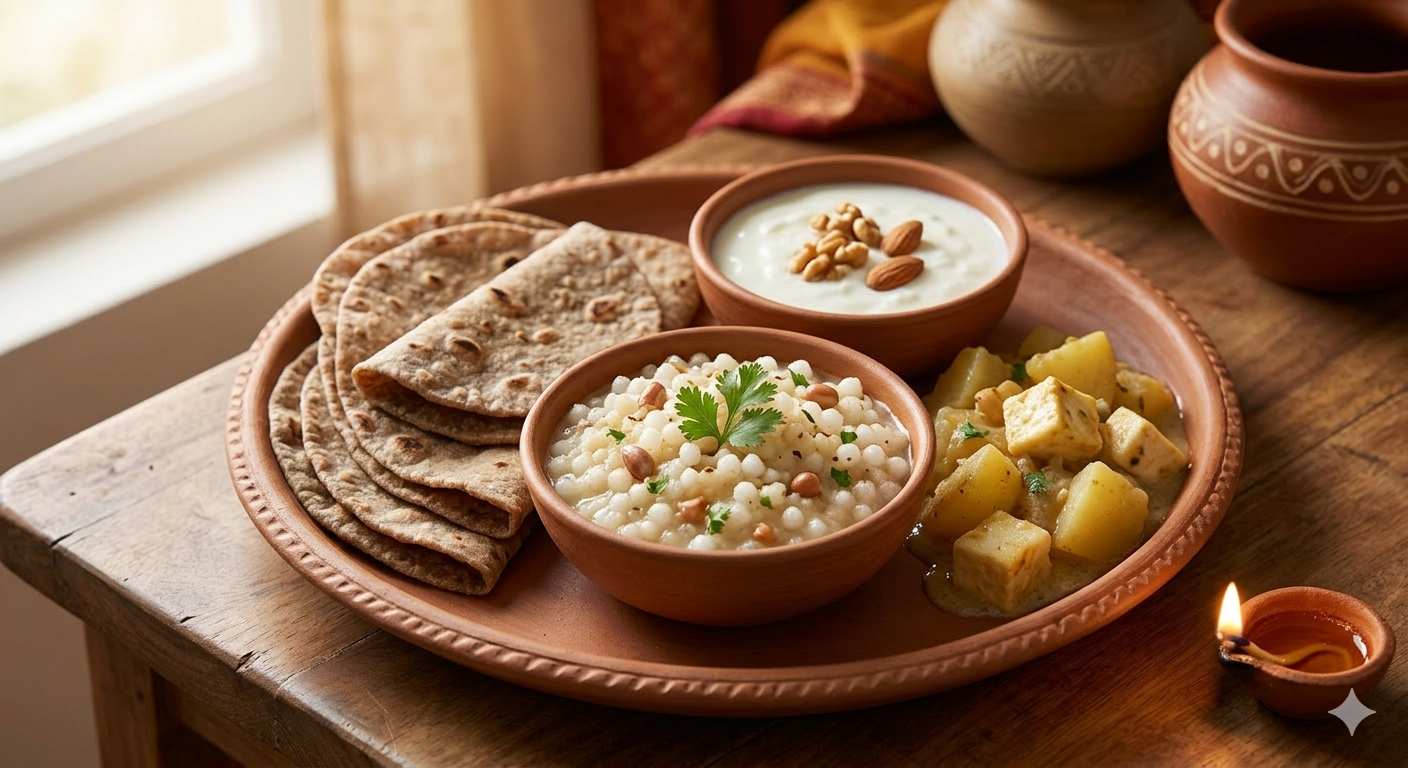
One of the most common mistakes is assuming that fasting foods are automatically healthy and can be eaten freely. Foods like sabudana khichdi, kuttu puri, aloo dishes, and fasting snacks are often consumed in large quantities.
While these foods are allowed during Navratri, they are also calorie-dense. For example, sabudana is high in carbohydrates, and when cooked with oil and peanuts, the calorie count increases significantly.
The problem is not the food itself — it’s the portion size. Eating large servings, especially multiple times a day, can easily push your calorie intake beyond your daily requirement.
Fitwiser Approach: Instead of eliminating these foods, control the portion size and balance them with protein and fiber to improve satiety.
2. Ignoring Protein Completely
Most Navratri diets are heavily focused on carbohydrates and fats, with very little protein. This creates a major imbalance in your nutrition.
Protein plays a crucial role in weight management. It helps in maintaining muscle mass, supports metabolism, and most importantly, keeps you full for longer periods.
When your diet lacks protein, you are more likely to feel hungry frequently, which leads to constant snacking and overeating.
Fitwiser Approach: Include protein sources like paneer, curd, milk, peanuts, and almonds in at least 2–3 meals per day. This simple change can significantly reduce cravings.
3. Long Gaps Followed by Overeating
Another common pattern during Navratri is staying hungry for long hours and then eating a large meal at once. Many people believe this helps in reducing calorie intake, but it often has the opposite effect.
When you stay hungry for too long, your hunger hormones increase, making you more likely to overeat. This usually leads to consuming more calories in a single sitting than you would have if your meals were spaced out.
It can also cause digestive discomfort, bloating, and low energy levels throughout the day.
Fitwiser Approach: Maintain a structured eating pattern with 3–4 small meals instead of long fasting gaps. This helps in controlling hunger and improving energy levels.
4. Excess Consumption of Fried Foods
Fried foods are a big part of Navratri celebrations. Items like sabudana vada, kuttu puri, and fried snacks are commonly consumed, often multiple times during the day.
The issue with fried foods is that they are extremely calorie-dense. A small portion can contain a large number of calories without providing enough satiety.
This makes it very easy to overeat without realizing how much you are consuming.
Fitwiser Approach: Limit fried foods to occasional consumption. Opt for roasted, boiled, or lightly cooked options whenever possible.
5. Liquid Calories and Sugary Drinks
Many people overlook the calories they consume through drinks. Sweetened beverages, packaged juices, and even certain traditional drinks can add a significant amount of sugar and calories to your diet.
The problem with liquid calories is that they do not provide the same level of fullness as solid foods, making it easier to consume excess calories.
Fitwiser Approach: Stick to water, coconut water, or plain buttermilk. Avoid sugary drinks unless consumed occasionally in controlled portions.
6. Constant Snacking Without Hunger
Being at home more often or having easy access to fasting snacks can lead to mindless eating. Many people keep munching throughout the day without actually feeling hungry.
This habit can quietly increase your daily calorie intake and slow down your progress.
Fitwiser Approach: Eat with awareness. Before eating, ask yourself if you are actually hungry or just eating out of habit or boredom.
7. Lack of Hydration
Dehydration is often mistaken for hunger. When your body lacks fluids, you may feel low energy, tired, and even experience cravings.
Many people reduce their water intake during fasting, which can negatively affect digestion and metabolism.
Fitwiser Approach: Drink sufficient water throughout the day. Proper hydration helps control appetite and supports overall health.
8. Ignoring Physical Activity
During Navratri, people often reduce their physical activity levels, assuming that fasting requires complete rest. While intense workouts may not be necessary, completely avoiding movement can slow down your metabolism.
Fitwiser Approach: Include light activities like walking, stretching, or yoga to keep your body active and maintain energy levels.
9. Poor Sleep and Irregular Routine
Changes in eating patterns, late-night celebrations, and disrupted routines can affect sleep quality during Navratri.
Poor sleep can increase hunger hormones, reduce energy levels, and make it harder to maintain a healthy eating pattern.
Fitwiser Approach: Aim for consistent sleep timing and adequate rest to support your metabolism and recovery.
Final Thoughts: Awareness Over Restriction
The biggest misconception about Navratri fasting is that it requires extreme restriction. In reality, the key to better results lies in awareness and balance.
You don’t need to eliminate your favorite fasting foods or follow complicated diets. Small, practical adjustments in portion control, meal timing, and food choices can make a significant difference.
At Fitwiser, we believe that real progress comes from understanding your habits and making sustainable changes. Navratri can be a powerful opportunity to build discipline, improve your eating patterns, and move closer to your fitness goals.
When you focus on structure instead of restriction, you don’t just avoid weight gain — you create a system that supports long-term transformation.